

Chesapeake Cosmetic Dentist Debunks Porcelain Veneer Myths
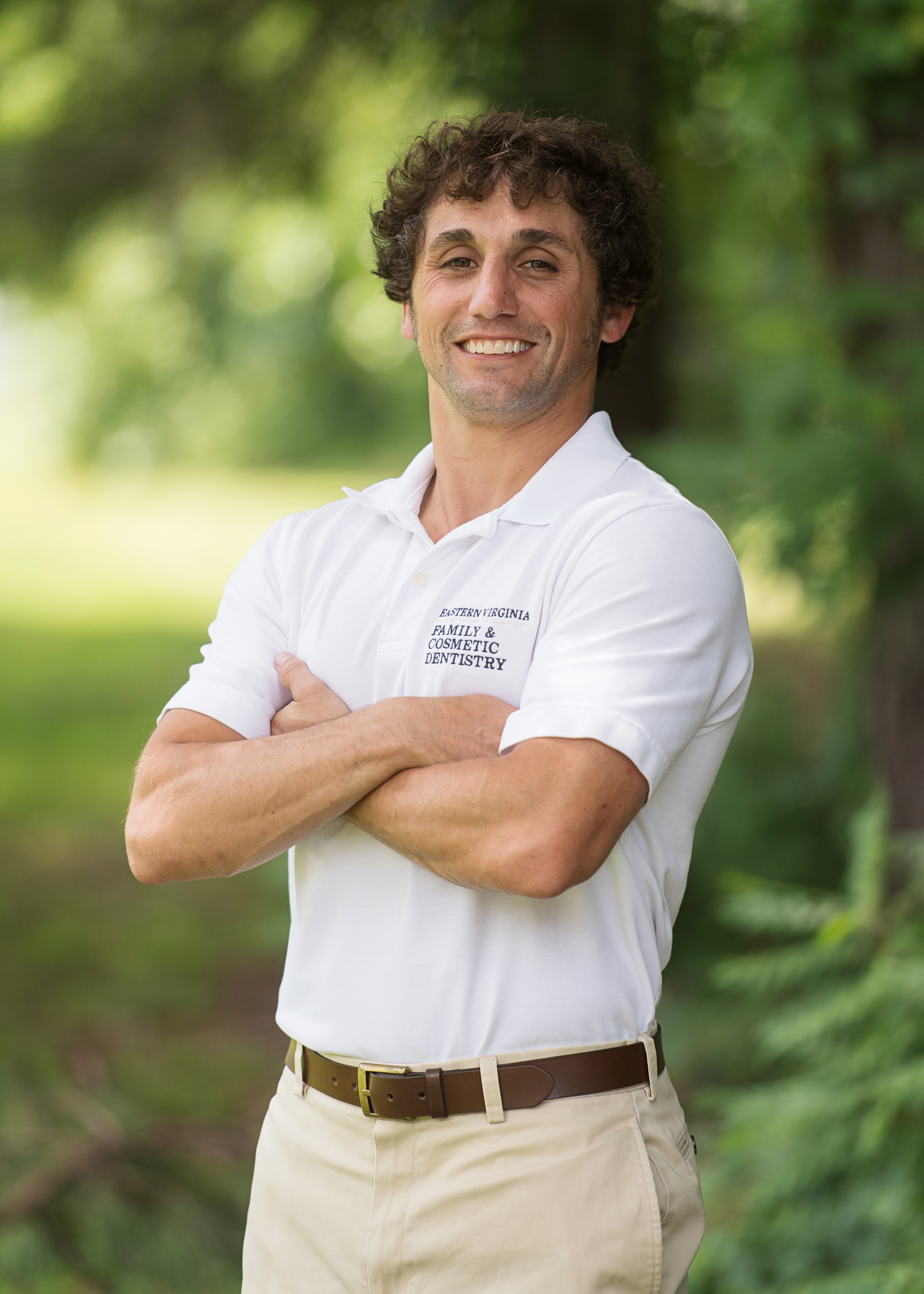
Dr. Clay Weisberg dispels common misconceptions about porcelain veneers, from durability to post-operative maintenance.
Today’s veneers are incredibly lifelike because they are tailored to each individual. Factors like shape, shade, and proportion are evaluated to help the veneers complement a patient’s natural teeth.”
CHESAPEAKE, VA, UNITED STATES, June 30, 2026 /EINPresswire.com/ -- One of the most popular options for enhancing smiles is porcelain veneers, yet misconceptions about the treatment still persist. These thin, custom-made shells are designed to improve the appearance of teeth affected by discoloration, chips, gaps, or minor misalignment. Dr. Clay Weisberg, a Chesapeake cosmetic dentist, notes that misinformation can sometimes prevent patients from exploring a solution that may be well-suited to their needs. By addressing some of the most common myths, patients can better understand what porcelain veneers can, and cannot, do. — Dr. Clay Weisberg
Myth #1: Porcelain veneers can only be used on front teeth.
According to Dr. Weisberg, while porcelain veneers are most commonly associated with the front teeth due to their visibility when smiling, their use is not strictly limited to that area. In certain cases, veneers may also be applied to teeth slightly farther back in the mouth, particularly if they are visible during speech or smiling. The primary goal of veneers is to enhance aesthetics, so their placement generally depends on each patient’s unique smile and cosmetic concerns. A qualified cosmetic dentist can evaluate factors such as tooth position, bite, and visibility when determining candidacy and where to place veneers. Ultimately, treatment plans are highly individualized, and veneers can often be incorporated into broader smile makeover strategies when appropriate.
Myth #2: Porcelain veneers can easily break.
Porcelain veneers are designed to be durable and resilient when properly fabricated and bonded to the natural tooth. While no dental restoration is completely indestructible, this cosmetic dentistry option is often made from high-quality materials that can withstand normal biting and chewing forces. Advances in dental technology have further improved their strength and longevity.
Patients are typically advised to avoid habits such as chewing on hard objects (like ice or pens) or using their teeth as tools, as these behaviors can damage both natural teeth and restorations alike. With proper care and routine dental visits, veneers can often last many years without issue.
Myth #3: It’s difficult to take care of porcelain veneers.
Maintaining porcelain veneers is generally straightforward and does not require a complicated routine. Patients are encouraged to follow the same oral hygiene practices recommended for natural teeth, including brushing twice daily, flossing regularly, and attending routine dental checkups. While veneers can be resistant to staining, good habits can help preserve their appearance and the health of surrounding teeth and gums. Dr. Weisberg notes that in some cases, a dentist may recommend additional measures, such as wearing a nightguard for patients who grind their teeth. Overall, caring for veneers is typically no more difficult than maintaining a healthy natural smile.
Myth #4: Porcelain veneers do not look natural.
Modern porcelain veneers are designed to closely mimic the translucency, color, and texture of natural tooth enamel. Skilled cosmetic dentists work with dental laboratories to customize each veneer based on the patient’s facial features, skin tone, and desired outcome. This level of customization allows for results that can appear both natural and harmonious with the rest of the smile.
“Today’s veneers are incredibly lifelike because they are tailored to each individual,” says Dr. Weisberg. “Factors such as shape, shade, and proportion are evaluated to help the veneers complement a patient’s natural teeth.”
Rather than creating a uniform or artificial look, veneers can be shaped and shaded to reflect subtle variations seen in natural teeth. When properly planned and placed, they are often indistinguishable from surrounding teeth.
Myth #5: Treatment often requires extensive tooth preparation.
Another common misconception is that porcelain veneers always involve significant removal of natural tooth structure. In reality, many modern techniques are designed to be more conservative, requiring only minimal reshaping of the tooth surface.
“Many patients are surprised to learn that veneer treatment can often be more conservative than they expect,” says Dr. Weisberg. “The amount of preparation depends on the individual case, including the condition and position of the teeth.”
In some cases, “no-prep” or minimal-prep veneers may be an option, depending on the patient’s needs and goals. The extent of preparation varies based on factors such as tooth alignment, thickness requirements, and the desired aesthetic result. A thorough consultation allows a dentist to determine the most appropriate approach while preserving as much natural tooth structure as possible.
Dr. Weisberg emphasizes the importance of accurate information when considering cosmetic dental procedures. He encourages individuals interested in porcelain veneers to consult with a qualified cosmetic dentist who can evaluate their unique needs and properly determine candidacy.
About Clay Weisberg, DDS
Dr. Clay Weisberg is a cosmetic dentist at Eastern Virginia Family & Cosmetic Dentistry who is committed to continuing education and excellence in patient care. He earned his dental degree from the Medical College of Virginia, where he was recognized by both the International College of Dentists and the Academy of General Dentistry for his academic achievements. Following dental school, he pursued advanced postdoctoral training at the University of Florida to further expand his clinical knowledge and skills. Dr. Weisberg later earned Fellowship status at the Academy of General Dentistry, an honor that reflects his dedication to ongoing learning and high standards of care. In addition to his work in private practice, he has contributed to the profession as an adjunct faculty member at the VCU School of Dentistry, where he helped guide and educate future dentists. He is an active member in numerous professional organizations, including the American Dental Association, Virginia Dental Association, Academy of General Dentistry, and American Academy of Cosmetic Dentistry. Dr. Weisberg is available for interview upon request.
For more information about Dr. Weisberg and Eastern Virginia Family & Cosmetic Dentistry, please visit evadental.com or facebook.com/EasternVADental.
To view the original source of this release, click here: https://www.evadental.com/practice-news/chesapeake-cosmetic-dentist-debunks-porcelain-veneer-myths/
###
Eastern Virginia Family & Cosmetic Dentistry
3221 Western Branch Blvd.
Chesapeake, VA 23321
(757) 483-6297
Rosemont Media
(858) 200-0044
www.rosemontmedia.com
Katie Nagel
(858) 200-0044
email us here
Legal Disclaimer:
EIN Presswire provides this news content "as is" without warranty of any kind. We do not accept any responsibility or liability for the accuracy, content, images, videos, licenses, completeness, legality, or reliability of the information contained in this article. If you have any complaints or copyright issues related to this article, kindly contact the author above.
